
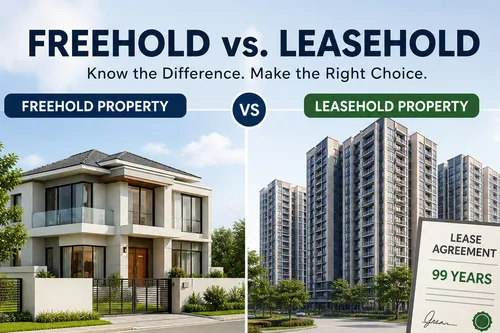
When you’re planning to buy a property, one of the most important—but often overlooked—factors is ownership type. You’ll frequently come across two terms: freehold and leasehold. At first glance, they may sound technical, but they directly impact your rights, control, and long-term value as a property owner.
Whether you’re exploring the best properties in Gurgaon or considering options in nearby markets like the best properties in Rewari, understanding this difference is essential. Choosing the wrong ownership type without clarity can create limitations you didn’t anticipate.
So let’s break it down in a simple and practical way.
What is Freehold Property?
A freehold property means you have complete ownership of both the property and the land it stands on. You are the sole owner, and there’s no time limit on your ownership.
This gives you full control. You can sell, transfer, renovate, or pass it on to your heirs without needing approval from any external authority (apart from standard legal procedures).
Freehold ownership is generally preferred by buyers because it offers long-term security and flexibility. It’s especially common in independent houses, plots, and many residential developments.
What is Leasehold Property?
Leasehold property works differently. In this case, you own the property for a fixed period, but not the land. The land remains under the ownership of a government authority, development body, or private entity.
Lease periods are usually long—often 30, 60, or even 99 years—but they are still limited. Once the lease expires, ownership may revert to the original landowner unless it’s renewed.
Leasehold properties are commonly found in government-developed areas or certain urban housing projects.
1. Ownership Rights
The most fundamental difference lies in ownership.
With freehold property, you own everything outright—both land and structure. This gives you complete legal control and long-term security.
In leasehold property, your ownership is restricted to a fixed time period. The land is not yours, and your rights are subject to the lease agreement.
This difference alone often influences a buyer’s final decision.
2. Duration of Ownership
Freehold property offers permanent ownership. There’s no expiry date, which makes it ideal for long-term investment and inheritance planning.
Leasehold property, on the other hand, comes with a defined tenure. Even though leases can be long, the fact that they expire can impact both peace of mind and property value.
Before buying a leasehold property, always check the remaining lease period. A shorter remaining tenure can reduce its attractiveness and resale value.
3. Transfer and Resale Flexibility
Freehold properties are easier to sell and transfer. Since you have full ownership, buyers feel more secure, which increases demand.
Leasehold properties may require approvals from the land authority before transfer. This can slow down the process and sometimes discourage potential buyers.
In competitive markets, this difference can significantly affect liquidity.
4. Property Value and Appreciation
Freehold properties generally have better appreciation potential. Buyers are willing to pay a premium for full ownership, which drives long-term value growth.
Leasehold properties may appreciate at a slower rate, especially if the lease period is nearing expiry. The shorter the lease duration, the lower the resale value tends to be.
That’s why investors often prefer freehold options when evaluating long-term returns.
5. Financing and Loan Approval
Getting a home loan is usually easier for freehold properties. Banks consider them lower risk because of clear and permanent ownership.
Leasehold properties can sometimes face stricter loan conditions. Banks may evaluate the remaining lease period before approving financing.
If the lease tenure is too short, loan approval can become difficult.
6. Restrictions and Permissions
Freehold ownership gives you the freedom to make changes to your property—whether it’s renovation, extension, or redevelopment (subject to local regulations).
Leasehold properties often come with restrictions. You may need permission from the land authority for modifications, which can limit your flexibility.
This can be a major consideration if you plan to customize your property in the future.
7. Cost Differences and Charges
Leasehold properties sometimes appear more affordable initially, which attracts budget-conscious buyers. However, they may involve additional costs like lease rent or renewal charges.
Freehold properties may have a higher upfront cost, but they usually don’t come with recurring lease-related expenses.
It’s important to evaluate the total cost over time rather than just the initial price.
Which One Should You Choose?
The answer depends on your goals.
If you’re looking for long-term security, flexibility, and better resale value, freehold property is generally the better choice. It offers complete ownership and fewer restrictions.
If you’re working with a limited budget and the lease terms are favorable, a leasehold property can still be a practical option—especially for short- to medium-term use.
The key is to carefully review the terms and understand what you’re getting into.
Expert Insight You Shouldn’t Ignore
Understanding ownership types can feel complicated, especially for first-time buyers. That’s where expert guidance becomes valuable.
Ujjwal Properties, known as a best property dealer in Gurgaon, helps buyers make informed decisions by clearly explaining legal aspects like freehold and leasehold ownership. Their experience in handling diverse property transactions ensures that buyers don’t overlook critical details that could impact their investment.
Having the right expert by your side can simplify the process and give you confidence in your decision.
Conclusion
Freehold vs. leasehold isn’t just a technical distinction—it’s a decision that affects your ownership rights, financial planning, and future flexibility.
By understanding these 7 critical differences, you can make a more informed choice and avoid surprises later. Whether you’re exploring urban investments or expanding into emerging markets, clarity on ownership type is essential.
Take your time, evaluate your priorities, and choose a property that aligns with both your current needs and future goals.
FAQs
1. Is freehold property better than leasehold?
Generally, yes. Freehold offers full ownership and better long-term value.
2. Can leasehold property be converted to freehold?
In some cases, yes, depending on government policies and approvals.
3. Is it safe to buy leasehold property?
Yes, if the lease terms are clear and the tenure is sufficiently long.
4. Do leasehold properties have lower prices?
Usually, yes, but they may include additional charges over time.
5. Which property type is better for investment?
Freehold properties are typically preferred for long-term investment.